
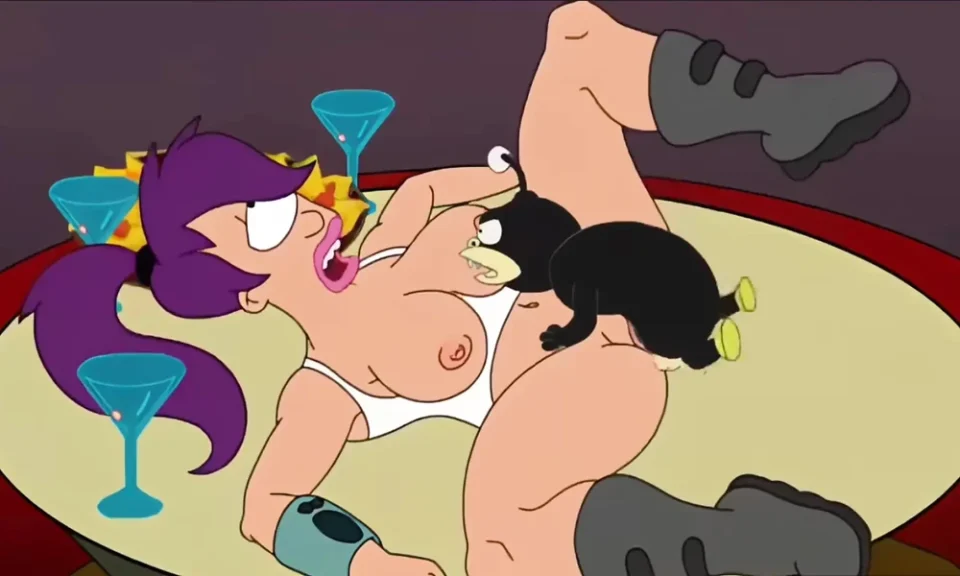
The Meaning of the Word Doujin
The Japanese word doujin broadly refers to people who share a common interest, creative purpose, or community. In modern creative culture, the term is often associated with independently produced works, including manga, illustrations, novels, games, and other forms of artistic expression. These projects may be developed by individual creators, small groups, or communities that want to share their ideas outside conventional commercial publishing.
The meaning of doujin depends on the context in which it appears. It can describe a community of like-minded creators or the independent work they produce. Within manga and anime culture, the term is especially connected to fan publications and original stories that reflect an artist’s personal interests. This broad definition helps explain why doujin encompasses such a diverse range of creative projects rather than one specific genre or format.
Understanding Doujinshi and Independent Publishing
Doujinshi is a related term commonly used for independently published works, particularly comics and illustrated stories. Although manga is a prominent format, doujinshi can also include written fiction, art collections, and other publications created for a particular audience. Many works are produced in small quantities and distributed through specialist events, independent shops, or online platforms.
Independent publishing gives creators greater control over their projects. They can decide how a story develops, what artistic style to use, and how to present characters and themes. Instead of following the requirements of a large publishing company, creators may experiment with unusual formats, personal subjects, or storytelling techniques that appeal to a specific community.
Doujinshi does not automatically mean that a work is amateur or unfinished. Some creators have considerable artistic experience, while others use independent publishing to develop their skills. The format accommodates different levels of experience and provides space for creative experimentation.
Original Stories Versus Fan-Created Works
Doujin publications generally include two broad categories: original creations and fan-created works. Original stories introduce characters, settings, and plots developed by the creator. These projects allow artists to establish their own fictional worlds and explore ideas without relying on an existing franchise.
Fan-created works, by comparison, draw inspiration from established manga, anime, games, or other fictional properties. Creators may imagine alternative events, explore relationships between familiar characters, or tell stories from a different perspective. These interpretations often reflect the interests and imaginative contributions of dedicated fans.
The distinction between the two categories is important, but both contribute to the wider creative landscape. Original works demonstrate independent world-building, while fan publications show how audiences engage with and reinterpret stories they already enjoy. Copyright considerations can differ depending on the material used, the jurisdiction, and the circumstances of publication.
The Role of Artists and Creative Communities
Creative communities play an important part in doujin culture. Artists, writers, illustrators, editors, and fans can exchange ideas, share feedback, and introduce their work to interested readers. Collaborative groups may divide responsibilities across writing, drawing, lettering, and production, allowing members to combine different skills.
Events dedicated to independent publications have historically provided opportunities for creators to display their work and meet readers. These gatherings can also help artists discover collaborators and learn about different approaches to making comics. Online communities extend these connections beyond physical events, enabling creators and audiences to interact across geographical boundaries.
For emerging artists, independent publishing can provide valuable experience with storytelling, visual design, and audience engagement. Readers also benefit from the range of perspectives represented within these communities, from experimental artwork to narratives that explore subjects less common in mainstream publications.
