
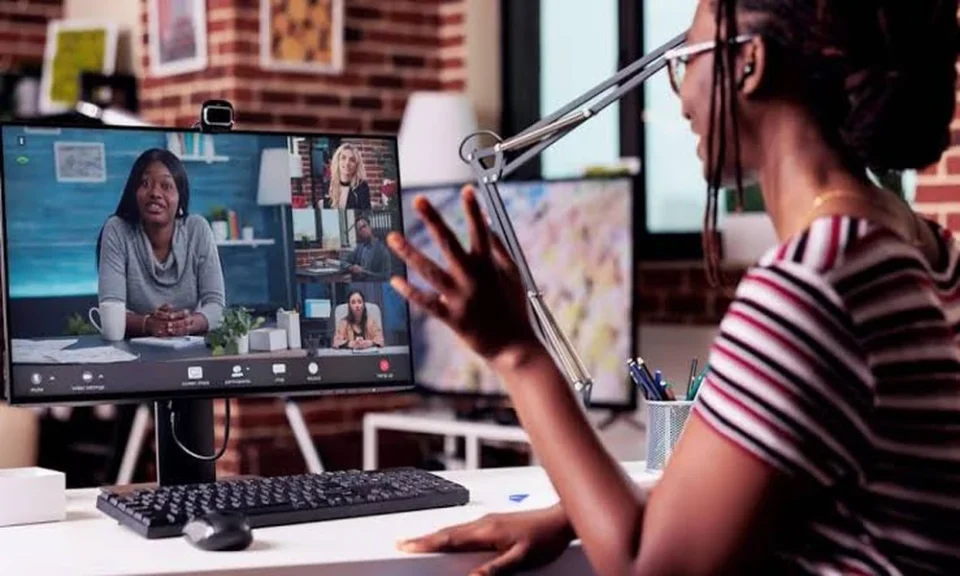
Japan’s online entertainment culture has evolved significantly as digital technology has changed how audiences discover, access, and enjoy video content. Internet-connected devices have made entertainment available across a wider range of settings, while digital services continue to influence viewing habits. From established video formats to newer online experiences, audiences now have more ways to engage with entertainment than through traditional television or physical media.
The modern online entertainment environment includes many categories, ranging from films and animation to music, live broadcasts, independent productions, and other forms of digital video. JAV UNCEN represents one example of how online resources can organize and present video-related content for audiences interested in Japanese entertainment. The broader shift toward digital access has also made content discovery more flexible, allowing viewers to explore material according to their individual interests and preferred devices.
The Growth of Online Entertainment
Online entertainment has become an important part of everyday digital activity. Faster internet connections and widespread smartphone adoption have contributed to the expansion of streaming and web-based video services. Audiences can access content without relying exclusively on scheduled programming, giving them greater control over when and where they watch.
This change has also encouraged a wider range of creators and publishers to distribute content online. Digital channels can support both professionally produced material and independent work, creating a broader entertainment environment than traditional media alone could provide.
Changing Audience Viewing Preferences
Viewing preferences have become more flexible as audiences have gained greater control over digital content. Instead of following fixed broadcasting schedules, viewers can often decide what to watch according to their available time, interests, and preferred format.
Short-form videos, longer productions, live broadcasts, and serialized content can all attract different types of audiences. Personal viewing habits may also change depending on age, lifestyle, device, and the type of entertainment being accessed. This variety has encouraged digital services to provide more ways to organize and present content.
The Influence of Mobile Devices
Smartphones and tablets have had a major effect on online entertainment. Portable devices allow people to access video content while travelling, during breaks, or from different locations around the home. Mobile-friendly interfaces have therefore become an important part of digital entertainment services.
Screen size, connection quality, application design, and playback performance can all influence the viewing experience. As mobile devices continue to develop, online entertainment is likely to remain closely connected to portable digital access.
Online Communities and Content Sharing
Online communities also contribute to the way entertainment spreads across digital spaces. Viewers may discuss programs, share recommendations, comment on content, or participate in conversations through social networks and community forums.
These interactions can influence discovery because audiences do not always encounter new content through direct searches. Discussions and recommendations from other viewers can introduce people to unfamiliar creators, formats, or categories. At the same time, responsible content sharing requires attention to copyright, privacy, and the rules established by individual services.
Discovering New Entertainment Formats
Digital technology continues to introduce new approaches to entertainment. Interactive features, livestreaming, personalized recommendations, and community-driven content can create experiences that differ from traditional viewing.
Audiences may also encounter content from creators who operate outside conventional media industries. This has expanded the range of voices and production styles available online. The ability to publish and distribute material digitally has made experimentation with formats easier and has contributed to a more varied entertainment environment.
Where Digital Entertainment Is Heading
The future of online entertainment will likely be shaped by continued changes in technology, audience expectations, and content distribution. Improvements in mobile connectivity, streaming infrastructure, personalization, and interactive features may influence how people discover and consume digital media.
At the same time, established forms of entertainment will continue to coexist with newer digital formats. Audiences may move between television, streaming services, social platforms, websites, and mobile applications depending on their needs and preferences. These developments suggest that Japan’s online entertainment culture will remain diverse as technology creates new ways for audiences to discover and engage with video content.
