
Puerto Plata and Sosúa attract visitors with beaches, warm weather, and busy nightlife. Some travellers also research dating, adult companionship or escort-related services before or during their stay. This subject requires more care than an ordinary nightlife search. Local laws, consent, exploitation, health, privacy and personal security all matter.
This guide does not recommend providers or explain how to arrange commercial encounters. Its purpose is to help adults understand the risks, recognise warning signs and make responsible decisions. Laws and enforcement practices can change, so current information from Dominican authorities or a qualified local lawyer should take priority over blogs, online forums and sales pages.
Start With Local Law, Not Assumptions
Travellers remain subject to Dominican law even when conduct is permitted in their home country. A service advertised online is not automatically lawful, safe or legitimate. Rules may also distinguish between private adult conduct and activities involving solicitation, third-party control, public-order offences, brothel management, coercion or exploitation.
Never become involved where age is uncertain. Sexual activity involving anyone under 18, child sexual exploitation, trafficking and coercion are serious crimes. A person who appears young, lacks identification, seems frightened or is controlled by another person should be treated as a potential safeguarding concern-not as a customer-service problem. Leave the situation and contact the appropriate authorities.
Anyone searching for Escorts in Puerto Plata should verify the latest local rules independently and avoid relying on claims made by advertisers. Hotels and rental properties may impose guest-registration, identification, and visitor-access policies separate from criminal law. Violating property rules can lead to removal, cancelled accommodation, or police involvement.

Treat Online Contact as a Security Risk
Online profiles can be false, stolen or managed by someone other than the person shown. Common risks include advance-payment fraud, identity theft, robbery, blackmail and demands for money after private photographs or personal details have been shared.
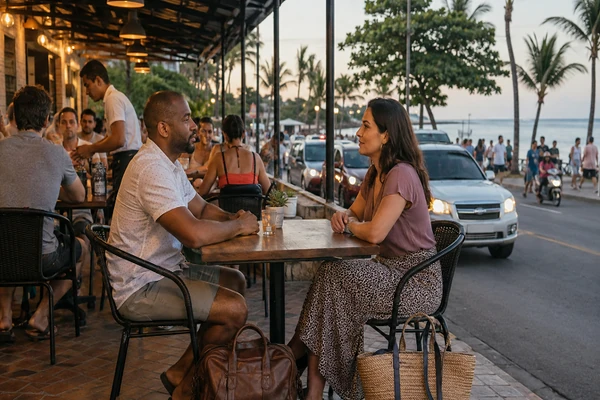
The current Dominican Republic travel advisory advises increased caution because of crime and specifically warns travellers to be wary of meeting online contacts in secluded places. Keep early meetings in busy public settings, arrange your own transport and tell a trusted person where you will be. Do not reveal your hotel room, passport image, banking information, workplace or home address to an unverified contact.
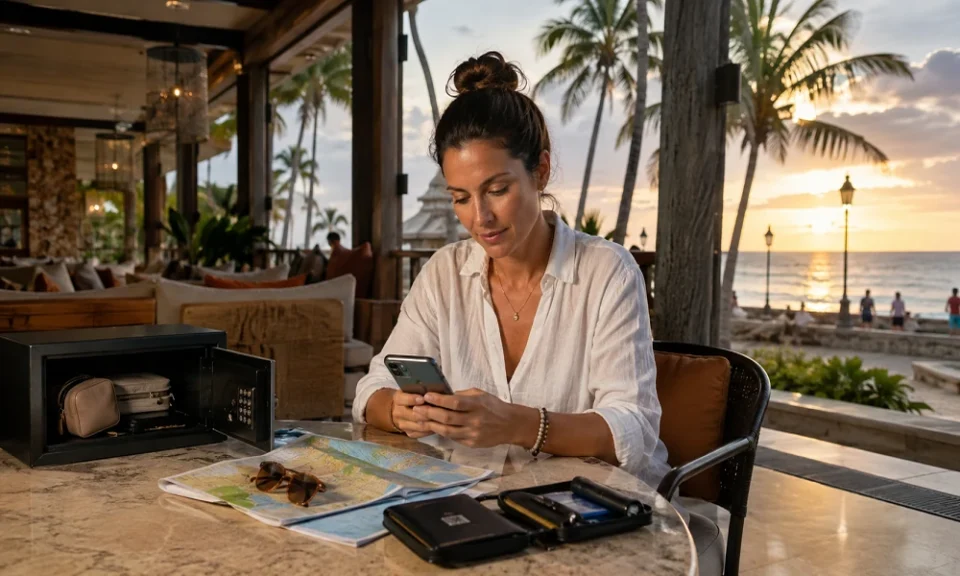
Avoid carrying large amounts of cash, expensive jewellery or unnecessary cards. Keep your passport secure and carry only the identification required by local rules. Do not allow a stranger to control your drink, transport, telephone or room key. If a situation becomes tense, leave without arguing and seek help from hotel security, the Tourist Police or emergency services.
Consent Must Be Clear and Continuous
Consent must be voluntary, informed and capable of being withdrawn at any time. Payment, a prior conversation or entry into a room never creates permanent consent. Intoxication, threats, deception, pressure, dependency or control by a third party can make meaningful consent impossible.
A search for Escorts in Sosua should never lead a traveller to ignore signs of force or exploitation. Warning signs include another person holding someone’s documents, speaking for them, setting every condition, monitoring messages, or preventing them from leaving. Sudden fear, injuries, inconsistent explanations, and demands to avoid authorities also deserve attention. Do not confront a suspected controller; move to safety and report the concern through official channels.
Protect Health and Privacy
Adults should discuss boundaries and sexual health before any intimate contact. Barrier protection lowers risk but does not remove it. The World Health Organization’s STI guidance explains that condoms help protect against most sexually transmitted infections when used correctly. Bring reputable supplies, never accept damaged packaging, and seek medical advice after possible exposure or if symptoms appear.
Alcohol and drugs impair judgement and can increase vulnerability. Do not consume unknown substances or leave a drink unattended. Photographing or recording another person without clear permission can violate privacy, consent and local law. Disable automatic cloud sharing for sensitive media and avoid sending identifiable images to strangers.
Know What to Do if Something Goes Wrong
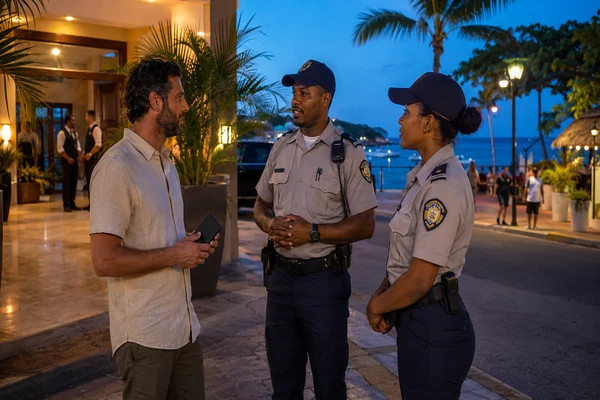
In an immediate emergency, move to a staffed public place and call 911 where service is available. Tourists can also seek assistance from POLITUR, the Dominican Republic’s tourist police. Contact your hotel, travel insurer and embassy or consulate when appropriate. Preserve messages, payment records and other evidence, but do not risk your safety to retrieve belongings or confront anyone.
Responsible travel means respecting the law, local communities and every person’s autonomy. Before making any decision, check current official guidance, protect personal information, and walk away from any situation involving uncertainty, pressure, or exploitation.
